How to Handle Wind Damage on Your Roof
@mywinddamageroofrepairplace
Understanding Wind Damage and Your Roof
Wind can be one of the most destructive forces your roof faces. Even a strong thunderstorm can lift shingles, loosen flashing, or send debris crashing into the surface. Over time, the effects add up, and a roof that looks fine from the ground may have hidden weaknesses. Knowing what to look for and how to respond makes a real difference in protecting your home.
When strong winds hit, they create uplift. Air pressure builds under the edges of shingles or tiles, prying them loose. This is especially common along ridges, eaves, and valleys. Once a few shingles are missing, the exposed area becomes vulnerable to rain and further tear-off. The result is a cycle of damage that can spread quickly if not addressed.
Signs of Wind Damage to Watch For
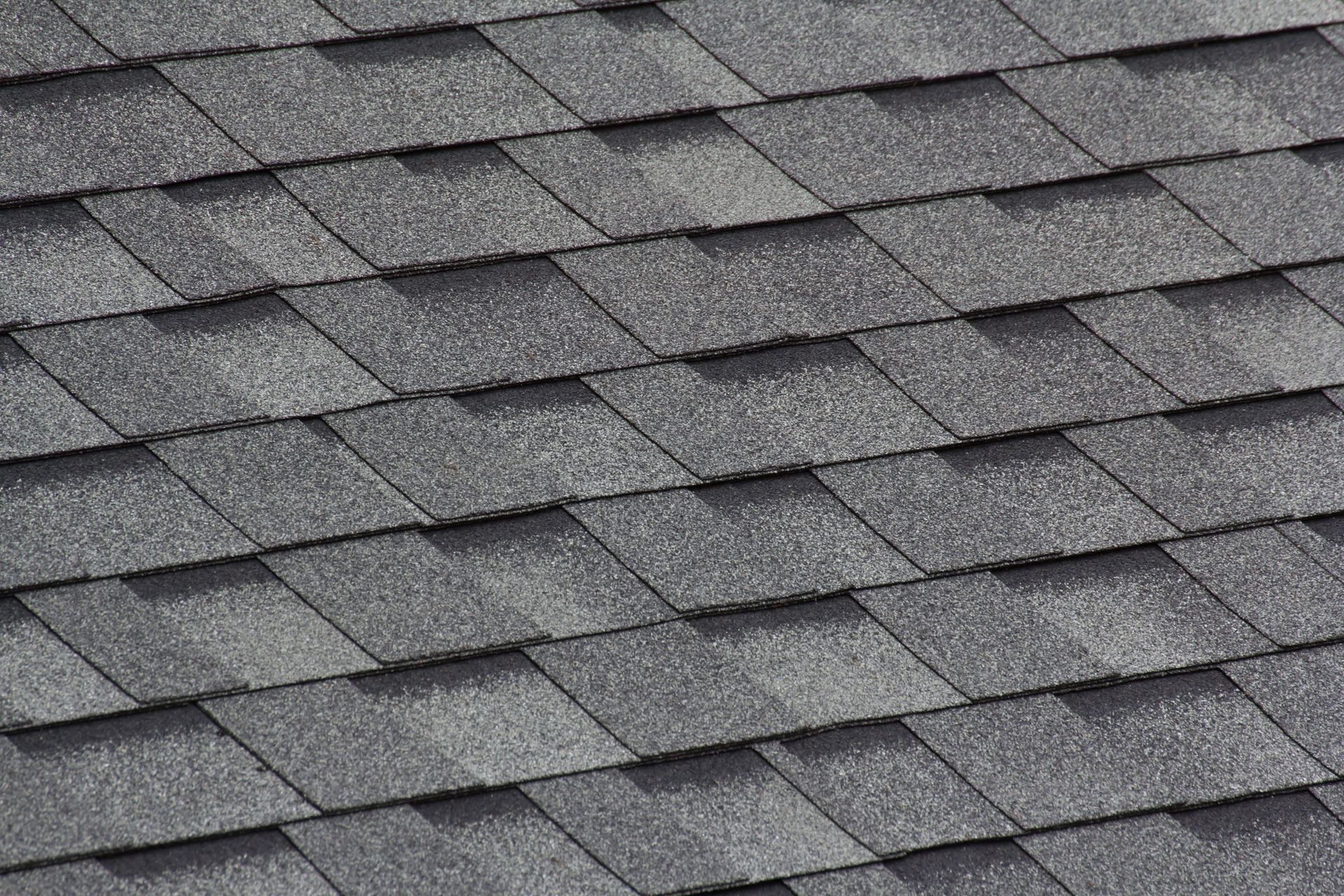
Not all wind damage is obvious. A roof may lose granules from asphalt shingles without visible loss of material. Granules are the protective top layer, and their absence means faster aging and reduced waterproofing. Other signs include curled or cracked shingles, exposed nail heads, and gaps around vents or chimneys. Inside the home, look for water stains on ceilings, damp spots in the attic, or daylight showing through the roof deck. These clues point to a breach that likely started with wind.
After a storm, a visual inspection from the ground is a good first step. Use binoculars to check for lifted or missing shingles, dented gutters, and debris on the roof surface. If you see a tarp on a neighbor's house, it may be a sign that wind damage is widespread in your area. Do not climb onto a roof to inspect it yourself unless you have proper safety equipment and experience. Ladder falls are a common injury after storms, and a damaged roof surface can be slippery or unstable.
Immediate Steps After Storm Damage
If you suspect wind damage, your first priority is to prevent water from entering the house. A temporary patch, such as a tarp installation, can cover a compromised area until permanent repairs are made. Tarping is not a long-term fix, but it buys time. After securing the roof, document the damage thoroughly. Take photos from multiple angles, including close-ups of any missing shingles, cracks, or dents. This documentation supports an insurance claim process later.
Next, schedule a professional storm damage inspection. A roofer can assess the full extent of the damage, including issues you might miss, like a weakened roof decking or damaged underlayment. They will also check for secondary problems, such as roof leak detection around flashing and vents. An inspection provides a clear picture of what needs immediate repair versus what can wait, and it gives you a written report for your insurance adjuster.
When Wind Damage Requires More Than Simple Repair
Sometimes the damage is too extensive for spot repairs. If a large section of shingles is gone, or if the roof decking is waterlogged or broken, a full roof replacement may be necessary. The decision between repair and replacement depends on the age of the roof, the extent of the damage, and the cost of matching existing materials. A professional can help you weigh these factors. For example, if your roof is near the end of its service life, replacing it after a severe wind event may be more practical than patching it repeatedly.
Another factor is the type of roofing material. Asphalt shingles, wood shakes, metal panels, and tile all react differently to wind. Some are more prone to cracking, others to lifting. A roofer familiar with local wind conditions can recommend materials that hold up better in your area. In Northern Florida, for instance, roofs often need to withstand both high winds from tropical storms and the intense sun that ages materials quickly.
The Insurance Claim Process for Wind Damage
Filing an insurance claim for wind damage roof repair can feel overwhelming, but it is a straightforward process if you are prepared. Start by reviewing your policy. Most standard homeowners policies cover wind damage, but deductibles for wind and hail may be separate and higher than your regular deductible. Know what your policy says before you call your agent.
When you file the claim, the adjuster will schedule a visit to inspect the damage. Have your own inspection report and photos ready. Be present during the adjuster's visit so you can point out areas of concern. If the adjuster's estimate differs from your roofer's estimate, ask for clarification. You have the right to request a second opinion or to appeal a denial. Keep a record of all communications, including dates, names, and what was said.
Once the claim is approved, the insurance company will issue payment for the covered repairs, minus your deductible. Some policies release funds in two parts: an initial payment for the actual cash value (depreciated amount) and a second payment for the recoverable depreciation after the work is completed. Make sure you understand how your policy handles this. A reputable roofing contractor can work with your insurance company directly, submitting estimates and documentation on your behalf.
Choosing a Repair Approach
Not all wind damage roof repair is the same. A small area of lifted shingles may need only shingle repair: the roofer removes the damaged shingles, checks the underlayment, and installs new ones. If the roof decking is soft or rotted, that section must be cut out and replaced before new shingles go on. The cost and time depend on the extent of the damage and the materials involved. A good roofer will explain what each step involves and why it is necessary, so you understand what you are paying for.
In some cases, wind damage reveals underlying issues, such as poor installation or aging materials. A thorough inspection after a storm can catch these problems early, preventing larger expenses later. For example, if the flashing around a chimney was never properly sealed, wind-driven rain may have been leaking into the attic for months. Catching it now saves you from mold, rot, and structural damage down the road.
Preparing for Future Storms
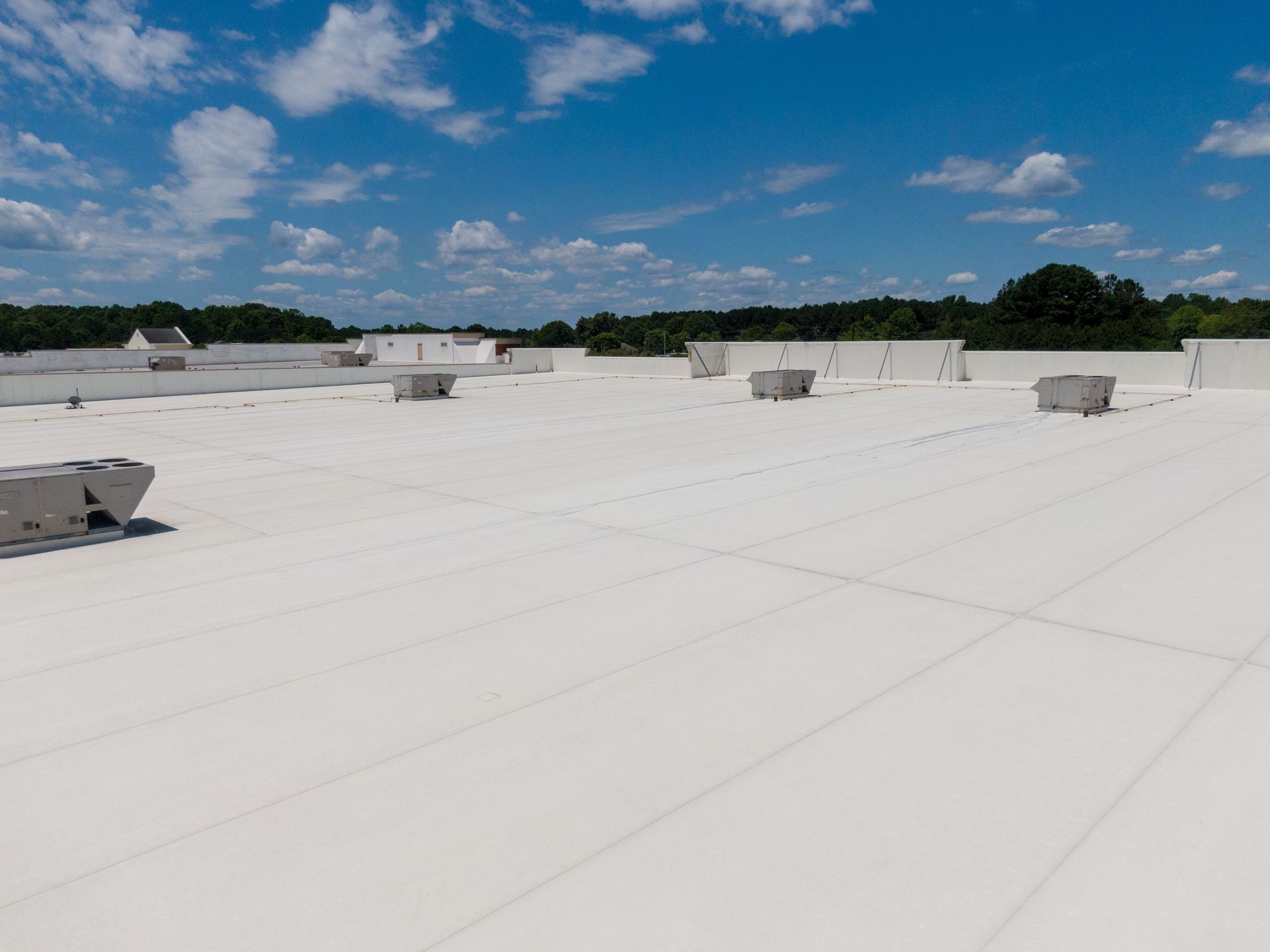
Once your roof is repaired or replaced, think about ways to make it more wind-resistant. Simple improvements can make a difference. Trim overhanging branches that could fall onto the roof during a storm. Ensure gutters and downspouts are clear so water drains away quickly. If you have a flat roof, check the edge flashing and drains. For sloped roofs, consider upgrading to impact-resistant shingles or adding a secondary water barrier under the shingles. These upgrades are not always expensive, but they can reduce the risk of damage when the next storm hits.
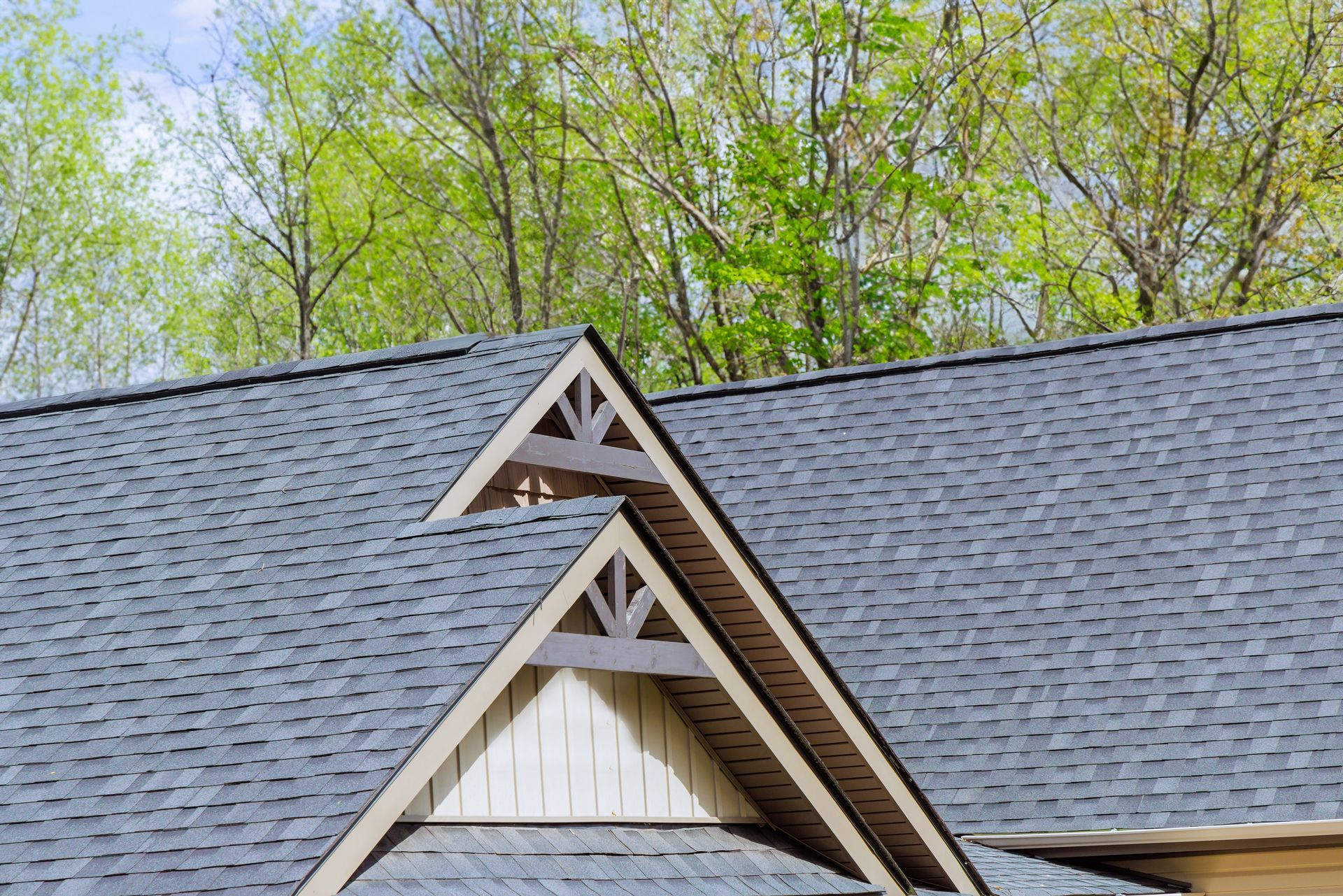
Regular maintenance also helps. A yearly inspection, especially before storm season, catches small problems before they grow. Look for loose shingles, cracked sealant, and rusted flashing. Clean debris from valleys and around vents. A roof in good condition is much less likely to suffer severe wind damage.
Final Thoughts
Wind damage can happen without warning, but you do not have to face it unprepared. By knowing the signs, taking quick steps to protect your home, and working with professionals for inspection and repair, you can minimize the impact and get your roof back in shape. The key is to act promptly and stay informed. A little attention now can save you from much bigger problems later.